Why construction changes how lingerie feels
By Cron Renown atelier,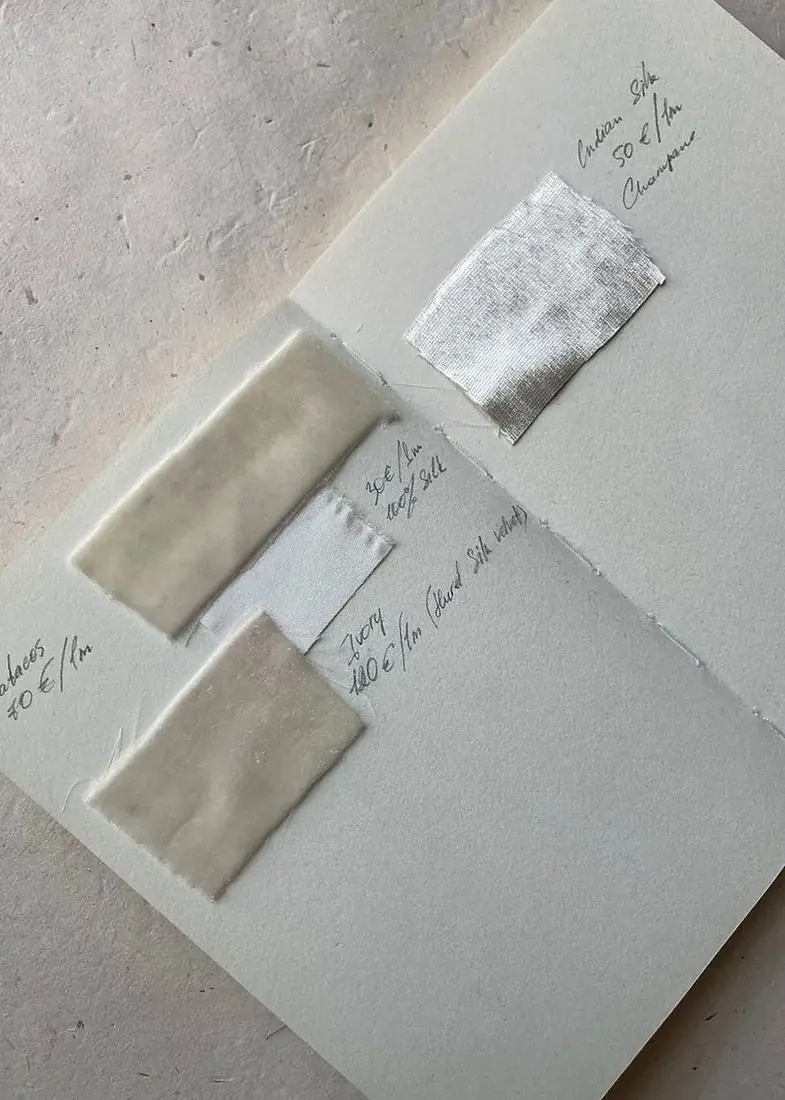
The difference between a seam and no seam is not just about looks
Most women have felt it: a seam that digs in by mid-afternoon, a ridge that shows through a fitted top, an elastic edge that leaves a mark on the skin. Construction addresses all three, but the term gets used loosely. This article explains what seamless actually means in practice and why it changes how a piece feels over a full day of wear.
What 'seamless' actually means in construction
In conventional lingerie, panels of fabric are cut and joined at the edges, creating a raised seam wherever two pieces meet. That seam has thickness. Against skin, it creates a pressure point. Under tight clothing, it creates a visible line. Construction reduces or eliminates those joins by cutting larger panels that wrap the body without interruption, or by using flat-lock stitching that lies flush with the fabric surface.
The result is a piece with no raised ridge at the edge of the cup, no thick band of elastic at the leg opening, no visible join across the back. The fabric transitions from one section to another without a step change in thickness.
Where seams cause the most trouble
The places where conventional seams cause the most discomfort are predictable: the underwire channel, the cup edge, the leg opening and the back band. These are all areas where the fabric is under tension and where the body moves repeatedly through the day.
A cup edge seam that sits against the breast tissue will shift with movement and can cause irritation over several hours. A leg opening with a thick elastic band compresses the skin and leaves a mark. These are not design failures in conventional lingerie. They are the natural result of joining fabric panels. Construction simply avoids the join.
The limits of the term
Not everything labelled seamless is fully seamless. Some pieces use fabric at the body but retain a conventional seam at the shoulder strap or back closure. This is still an improvement over a fully seamed piece, but it is worth understanding what you are buying.
At Cron Renown, we use flat-lock stitching wherever a join is unavoidable and cut from single panels wherever the pattern allows. The goal is to eliminate every pressure point we can identify, not to use the word as a marketing label.
If you want to see the fabric options and construction details before ordering, the measurement guide and swatch card give a clearer picture than any description can.